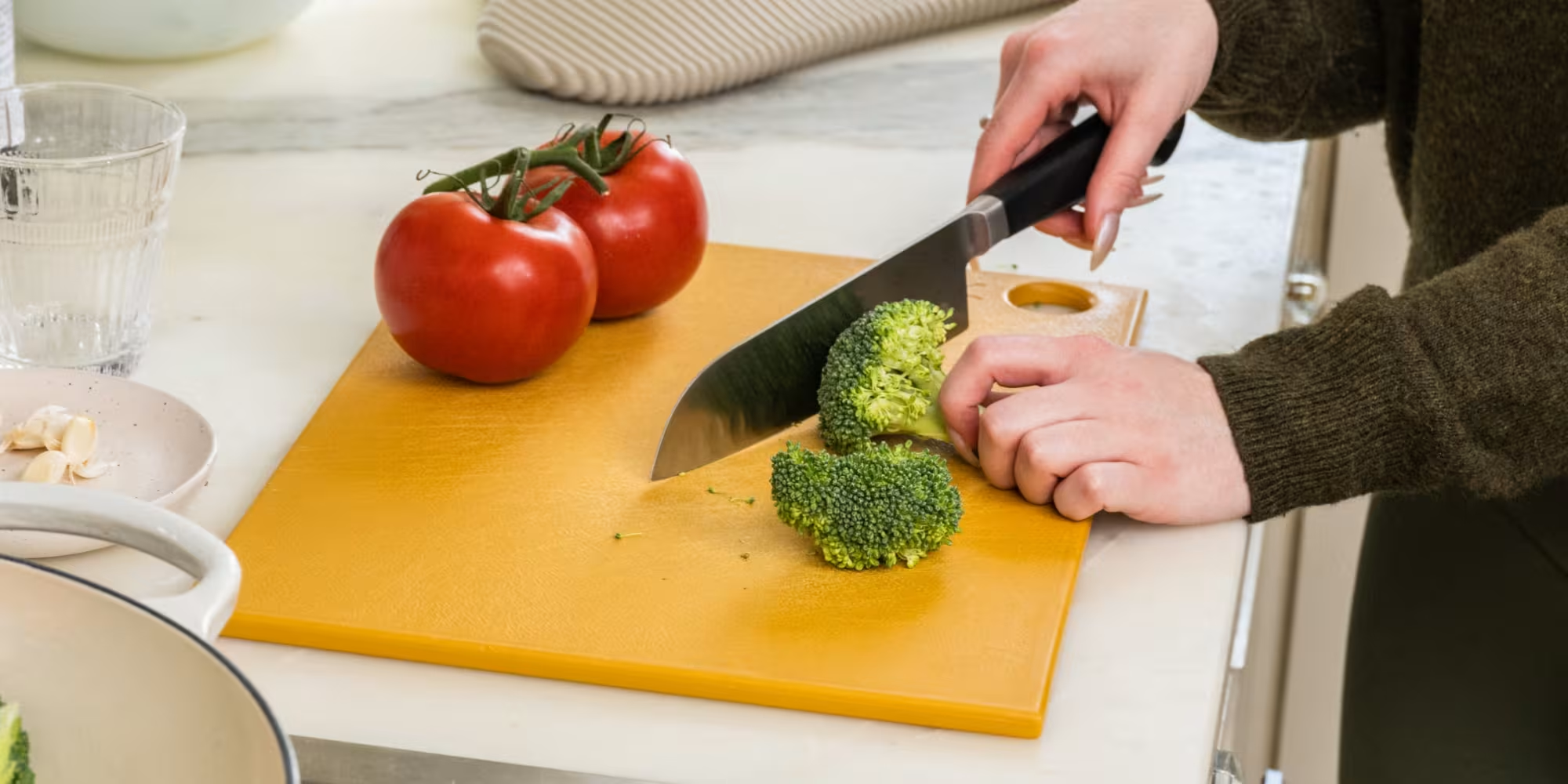
Microplastics in the Kitchen: The Hidden Risk of Plastic Cutting Boards
We often think of plastic pollution as a problem for the oceans, but recent research suggests it's happening right on our kitchen counters. If you’re using a plastic cutting board, you might be adding an invisible ingredient to every meal: microplastics.
The Invisible Ingredient
A recent study published in Environmental Science & Technology analyzed the impact of chopping vegetables on various cutting board materials. The results were startling. Researchers estimated that a single person could be exposed to between 14 to 71 million polyethylene microplastics every year simply from using plastic boards.
Every time your sharp knife hits the plastic surface, it creates microscopic grooves and sheds tiny fragments. These fragments stick to your carrots, onions, and greens, eventually entering your body.
Why Should We Care?
While the long-term health effects of microplastic ingestion are still being studied, early research points to several concerns:
* Inflammation: Microplastics can trigger inflammatory responses in the gut.
* Endocrine Disruption: Many plastics contain additives like phthalates that can interfere with natural hormones.
* Chemical Leaching: The increased surface area of microplastics makes it easier for chemicals to leach into food.
The Safer Alternative
The good news is that this is one of the easiest toxins to remove from your home.
1. Switch to Wood: High-quality wood cutting boards (especially end-grain maple or walnut) are naturally antimicrobial and do not shed synthetic fibers.
2. Choose Bamboo: Bamboo is a sustainable, hard-wearing alternative that is also free from plastic shedding.
3. Avoid Glass: While glass is toxin-free, it is extremely dulling to your knives and can be a safety hazard if it chips.
Pro-Tip for Wood Boards
To keep your wood boards safe and long-lasting, never put them in the dishwasher. Instead, wash them with mild soap and warm water, and "season" them once a month with a food-grade mineral oil or beeswax to keep the fibers sealed.
Small changes in the kitchen lead to big shifts in our health. Is it time for you to retire the plastic?



Leave a Thought